


PROFESSIONALS
& ORGANIZATIONS
Corporate
& Community Partners
Caregivers
& Individuals
DONORS
& VOLUNTEERS
OUR MISSION:



Upcoming Events
Events in October 2026
October 13, 2026
Dementia Education Series: Death Care for Dementia with PK Beville - Oct. 13
–
October 13, 2026Registration is free.
Buy TicketsOctober 21, 2026
Virtual Dementia Tour - Certified / Advanced Trainer Certification - Oct. 21-22
October 21, 2026 – October 22, 2026
Facilitator Training is required when you initially get the VDT® program, and teaches you how to set up and conduct the VDT for your staff or the general public. This training is available online or in-person with a VDT Certified Trainer.
Second Wind DreamsRegister for this certification by clicking the link here.
Buy TicketsOctober 22, 2026
Virtual Dementia Tour - Certified / Advanced Trainer Certification - Oct. 21-22
October 21, 2026 – October 22, 2026
Facilitator Training is required when you initially get the VDT® program, and teaches you how to set up and conduct the VDT for your staff or the general public. This training is available online or in-person with a VDT Certified Trainer.
Second Wind DreamsRegister for this certification by clicking the link here.
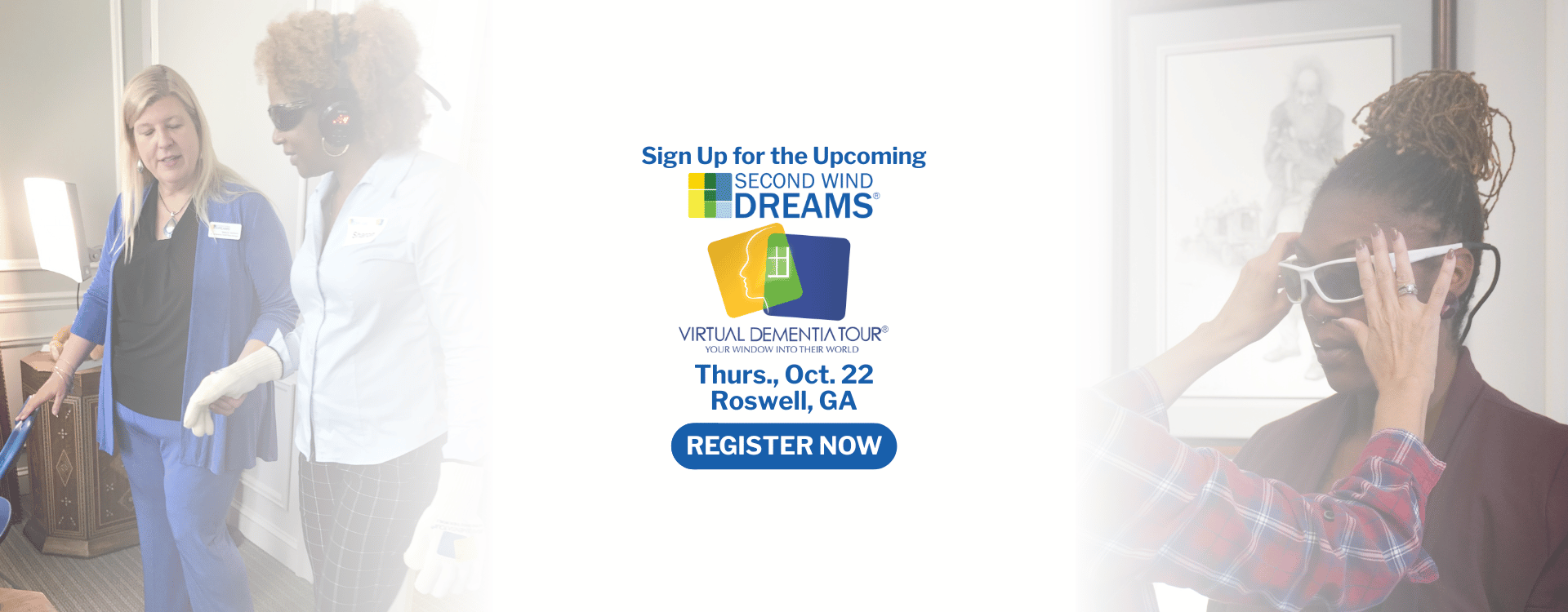
Buy TicketsPublic Virtual Dementia Tour (VDT) - Oct. 22
–
October 22, 2026Second Wind DreamsClick here to register.
Buy TicketsOctober 23, 2026
Virtual Dementia Tour - Hospital VDT Training - Oct. 23
October 23, 2026
Hospital VDT training is specifically designed for professionals in hospital environments. Facilitator Training is required when you initially get the VDT® program, and teaches you how to set up and conduct the VDT for your staff or the general public. This training is available online or in-person with a VDT Certified Trainer.
Second Wind DreamsRegister for this certification by clicking the link here.
Buy TicketsOctober 29, 2026
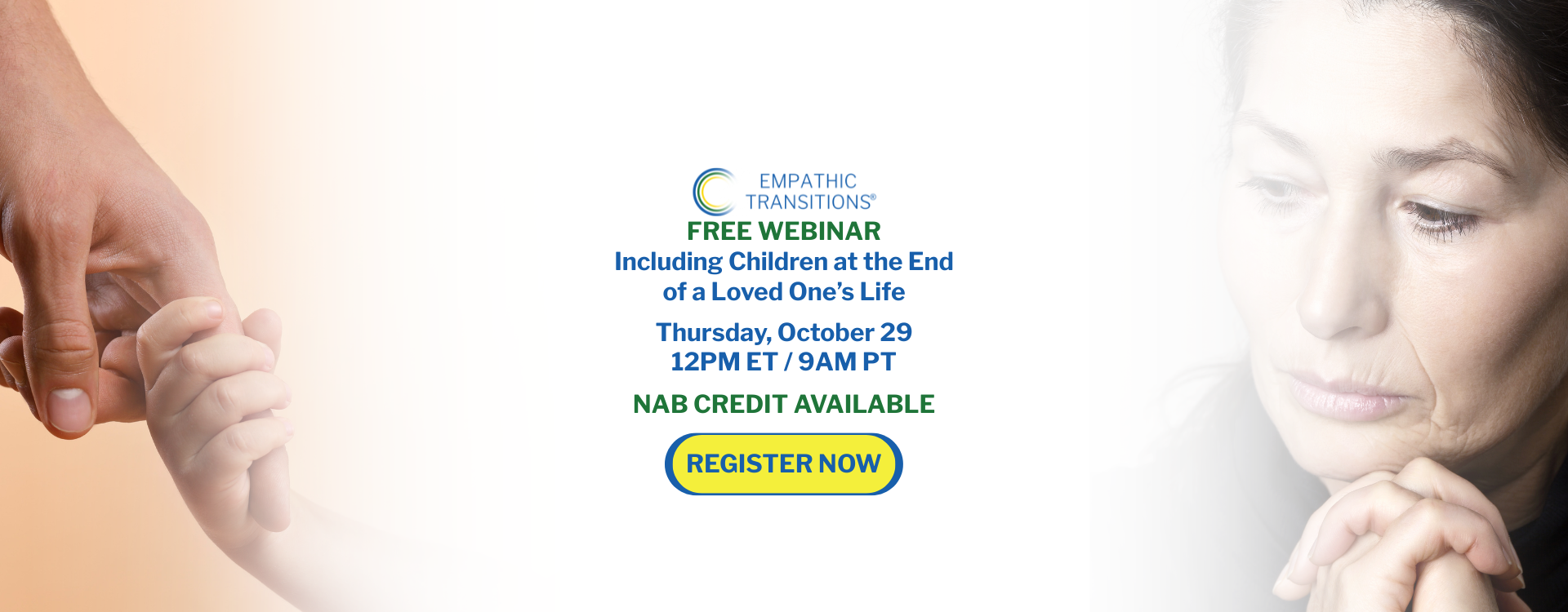
Empathic Transitions Series: Including Children at the End of a Loved One's Life - Oct. 29
–
October 29, 2026Person-centered care at the end of life extends beyond an individual’s physical and clinical needs. It also means recognizing and supporting the family members who are experiencing the transition alongside them—including children.
Talking with children about serious illness, death and dying can feel overwhelming. Adults may avoid these conversations because they want to protect children or are uncertain about what to say. However, children often recognize that something is changing. Honest, compassionate and developmentally appropriate conversations can reduce fear and confusion while creating opportunities for connection, understanding and healing.
Tickets are free and open to the public.
Buy Tickets